Massage
Swedish, deep tissue or hot stone? Choosing your first massage
Not sure which massage to book? A plain-language guide from our senior therapist, including what to tell us and what happens in the room.

Every week someone calls the front desk and says, a little apologetically, that they have never had a massage and do not know what to book. That is completely normal. Here is how I explain the main options to friends, with no jargon and no pressure.
Swedish: the gentle foundation
Swedish massage uses long, flowing strokes, kneading and light to medium pressure. It is designed to help your nervous system shift out of go mode. If your main goal is to relax, sleep better or simply see what massage feels like, start here.
Our Juniper Swedish comes in 50 and 80 minute versions. If you can, choose 80 minutes. Most people need the first ten minutes just to stop thinking about their inbox.
Deep tissue: slow and specific
Deep tissue massage works into deeper layers of muscle and fascia with slower strokes and sustained pressure. It suits people with ongoing tension in the neck, shoulders, lower back or hips, and anyone recovering from hiking, running or cycling.
A common myth is that deep tissue must hurt. It should feel intense but productive, a good ache, never sharp pain. Breathe into the pressure and tell your therapist if anything feels too much. We would much rather adjust than have you brace against us.
- Great after long trail days on Bear Mountain or West Fork
- Best booked for 80 minutes so we can work thoroughly
- Drink extra water afterwards and expect mild tenderness the next day
Hot basalt stone: warmth that melts
In a hot stone massage, smooth basalt stones are heated in water and used both as tools and placed along the spine, in the palms and between the toes. The heat relaxes muscles quickly, so we can work deeply with less pressure. It is ideal on cooler evenings, or for anyone who finds deep tissue too intense.
Stones are always tested on the therapist's own arm first, and you can ask for them to be cooler at any time.
What to tell your therapist
Before we start, we will ask a few questions. The more you share, the better the massage. Mention injuries, surgeries, pregnancy, medications such as blood thinners, and any areas you would prefer we avoid, like feet or face. Tell us how you like pressure, and if you are unsure, say that too.
During the massage, you are always in charge. You can ask for more or less pressure, a warmer room, different music or silence. You never need to make conversation.
What happens in the room
Your therapist leaves while you undress to your comfort level and lie under the sheet and blanket on the heated table. Only the area being worked on is uncovered. Afterwards, take your time getting up, drink water in the lounge and, if you can, spend a little while doing nothing at all.
Still undecided? Book the Juniper Swedish for 80 minutes and let your therapist adjust as they go. It is the most flexible starting point on our menu.
Written by Amara Okafor for Solace Sands Spa & Wellness. Spa treatments support comfort and relaxation and are not medical advice. Please speak with your doctor about heat, cold or massage if you are pregnant or managing a health condition.
Keepreading
All journal entries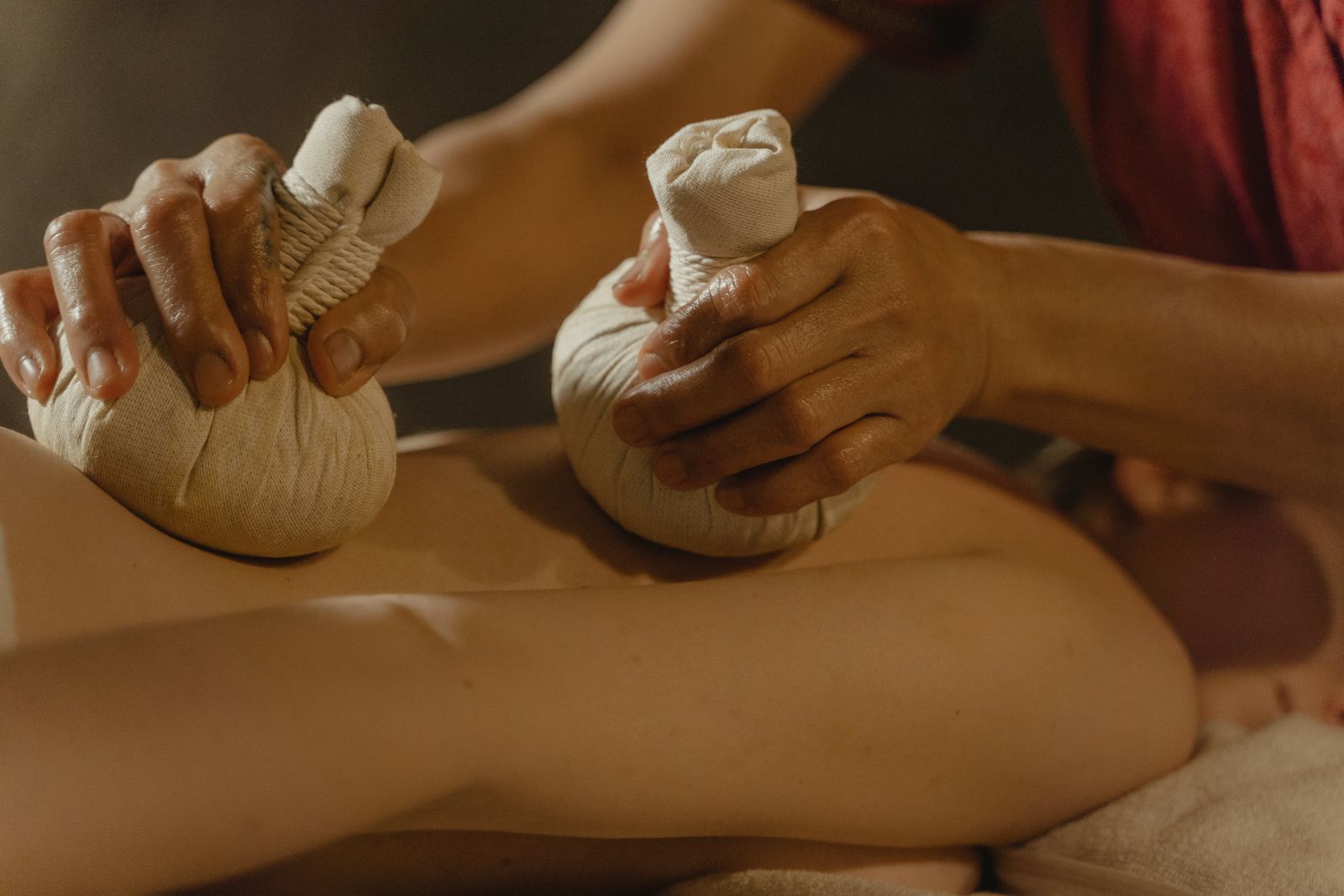 Your first hydrotherapy circuit, round by roundWarm, hot, cold, rest. A calm guide to the rhythm of the Creekside Bathhouse, with timings, what to wear and how to handle the cold plunge.Read
 A simple skin routine for high desert airSedona sits at 4,350 feet with humidity that can drop below 10 percent. Our lead esthetician explains what actually helps skin cope.Read
 How to plan a Sedona spa day around the red rocksWhen to hike, when to soak, what to eat and how to time sunset. A practical plan for building a full day around Solace Sands.Read